Anahata Chakra – The Fourth Chakra (Heart Chakra)
The word Anahata means “unstruck sound” or “the sound that is eternally present.” It symbolizes the pure, unconditional vibration of love that exists beyond effort, expectation, or ego. Anahata Chakra is the center of love, compassion, gratitude, forgiveness, empathy, and emotional intelligence. It is where human consciousness evolves from survival and desire into selfless love and higher awareness.
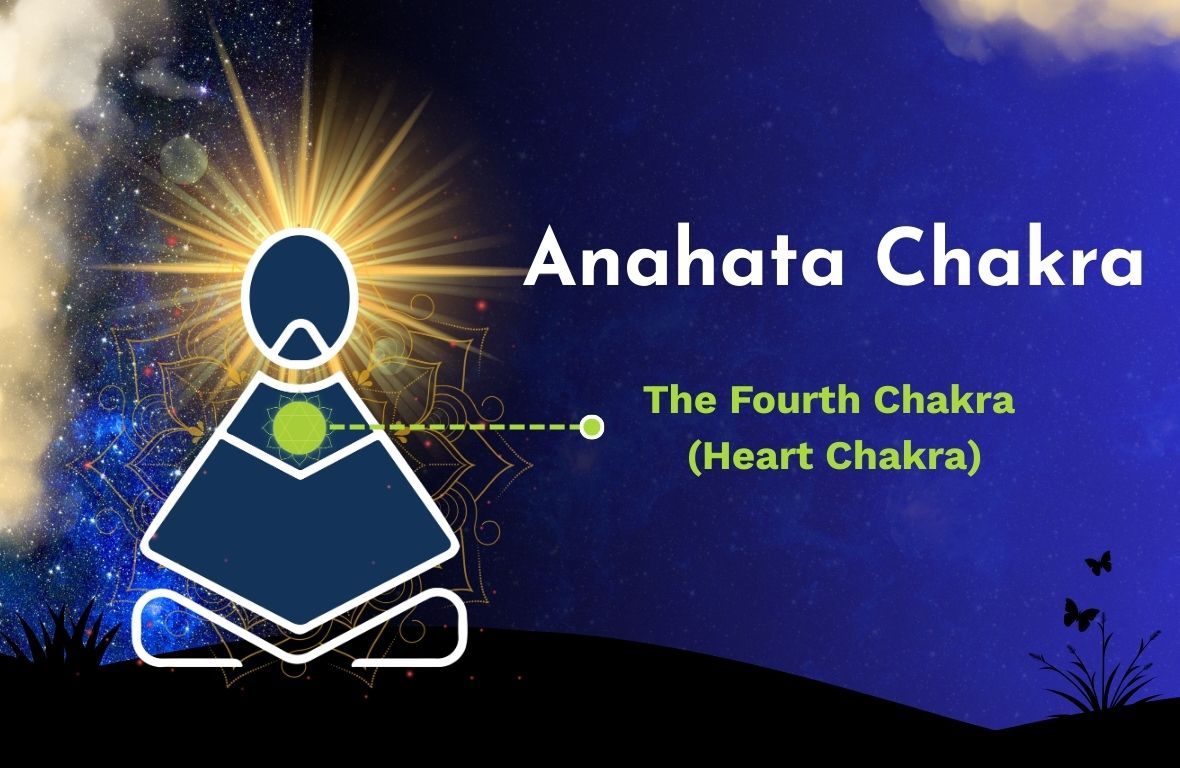
Anahata Chakra is located:
- At the center of the chest
- Along the spinal column, behind the heart
- Between the breastbone and the shoulder blades
It governs the energetic heart—not just the physical organ, but the emotional and spiritual heart.
Element, Color, and Symbolism
- Element: Air (Vayu) – symbolizing freedom, movement, and expansion
- Color: Green (healing, balance, harmony); sometimes pink (divine love)
- Symbol: A lotus with 12 petals, representing qualities such as love, joy, peace, patience, kindness, and forgiveness
The air element reflects the expansive nature of love—free, light, and boundless.
Core Qualities and Functions
Anahata Chakra is associated with:
- Love (self-love and love for others)
- Gratitude and appreciation
- Compassion and kindness
- Emotional balance and sensitivity
- Forgiveness and release of past wounds
- Deep connection and belonging
It is the bridge Chakra, harmonizing:
- The lower Chakras (body, survival, desire, will)
- The upper Chakras (intuition, wisdom, spiritual awareness)
When Anahata is awakened, life is experienced with openness, trust, and emotional maturity.
Impact on Physical Health
Anahata Chakra governs:
- Heart and cardiovascular system
- Lungs and respiratory system
- Chest, ribs, and upper back
- Immune system
- Circulatory system
Balanced Anahata supports:
- Healthy heart function
- Strong immunity
- Deep, relaxed breathing
- Vitality and physical resilience
Imbalance may manifest as:
- Heart-related ailments
- High or low blood pressure
- Asthma or breathing issues
- Chest tightness
- Chronic fatigue or weakened immunity
Impact on Emotions and Mental Well-being
Anahata Chakra plays a crucial role in emotional health.
When Balanced:
- Ability to give and receive love freely
- Emotional stability and inner peace
- Compassion without attachment
- Healthy self-worth
- Gratitude and contentment
When Blocked or Disturbed:
- Emotional pain, grief, or loneliness
- Fear of intimacy or rejection
- Jealousy, resentment, or bitterness
- Difficulty trusting others
- Lack of self-love or excessive self-sacrifice
Unresolved emotional wounds often lodge themselves in the heart center, affecting both mind and body.
Impact on Relationships
Anahata Chakra is the foundation of healthy relationships.
A balanced heart Chakra allows:
- Authentic emotional expression
- Empathy and deep listening
- Respectful boundaries
- Forgiveness and understanding
- Harmonious personal and professional relationships
An imbalanced Anahata may lead to:
- Dependency or emotional withdrawal
- Repeated relationship conflicts
- Fear of abandonment
- Inability to forgive or let go
True connection with others begins with balance and acceptance within the heart.
Anahata Chakra in Yogic and Sittha Practice
In Sittha Viruthi Yoga, Anahata is considered a gateway to higher consciousness. Practices that awaken this Chakra purify emotional impressions (Samskaras) and cultivate unconditional love.
Common practices include:
- Heart-opening asanas
- Pranayama (especially deep, rhythmic breathing)
- Meditation on gratitude and compassion
- Mantra chanting
- Conscious acts of kindness and self-awareness
When Anahata awakens, the practitioner experiences emotional freedom, inner harmony, and spiritual expansion.
In Essence
The Anahata Chakra is the seat of love, gratitude, and emotional wisdom. It teaches us that true strength lies not in control, but in openness; not in possession, but in connection. By nurturing the heart center, one heals not only the body and mind, but also the way one relates to life itself.